As our country celebrates its 250th birthday, now is the perfect time to explore some of the beautiful living books that showcase what makes this country special. That’s why we’ve put together this curated book list, bringing together picture books, chapter books for middle grade readers, and more complex texts that will challenge and inspire your teens. Studying history doesn’t need to be boring. Let captivating books like these bring the people, places, and events of American history to life!
Picture Books
George Washington by Ingri and Edgar Parin D’Aulaire
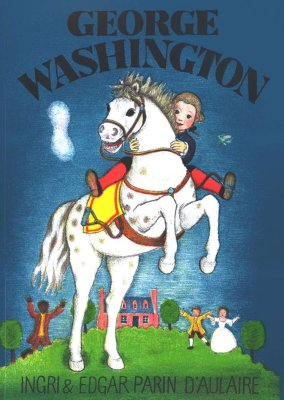
This lavishly illustrated biography of America’s first president is a modern-day classic. From a little boy growing up on a Virginia plantation, through his education and life on the Mount Vernon estate, Ingri and Edgar Parin D’Aulaire detail the experiences which brought Washington to lead the struggling colonies to victory and freedom. Young readers will be inspired as they learn how little George Washington grew up to become the “Father of His Country.”
Paul Revere’s Ride by Henry Wadsworth Longfellow
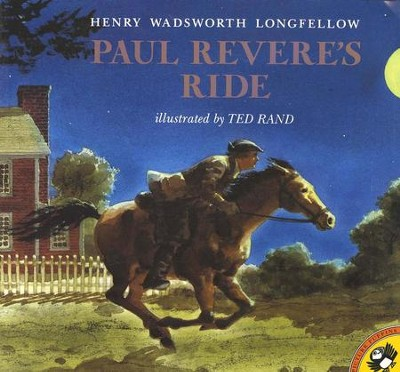
One of America’s most stirring poems is brought to life in this vivid picture book edition. Ted Rand’s moonlit vision captures the swift, rhythmic gait of Longfellow’s words and the drama of Revere’s brave ride as he gallops from town to farm, sounding the call to rise and arm against the British. The story unfolds in memorable pictorial images: Revere’s anxious wait on the shore, the two lights in the belfry of the Old North Church, Concord Bridge in the early morning hours. The mixture of history, art, and poetry results in a book as gorgeous to behold as its message is inspiring to all who love freedom.
A More Perfect Union by Betsy Maestro
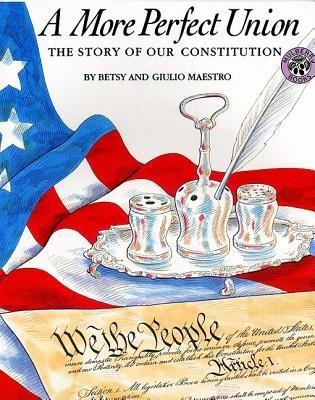
When America declared its independence in 1776, the new republic’s journey to become one unified nation had just begun. Fifty-five Americans labored for over a decade to craft the Articles of the Constitution that would give this new form of government a lasting foundation. The husband and wife duo of artist, Giulio, and elementary educator, Betsy, together have created an engaging and informative picture book to explain why and how the United States Constitution was formed.
A Voice of Her Own: The Story of Phillis Wheatley, Slave Poet by Kathryn Lansky
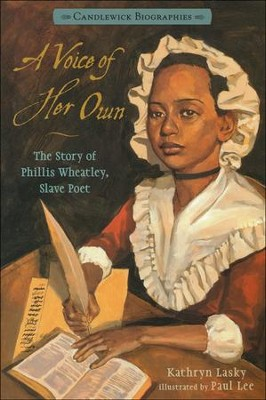
Phillis Wheatley was the first Black woman-poet in America, with her book of verses published in 1774. Kidnapped and sold as a slave in Boston, her brilliance quickly became apparent to her captors. Her mistress had her educated, and as a teenager, Phillis began publishing poems to ever-increasing fame. Freed after a return trip from England, Phillis continued to write until her death, forever leaving a mark upon American literature. Kathryn Lasky’s book offers a poignant retelling of the defining moments in the life of Phillis Wheatley, paired with beautiful full-color illustrations that enhance the narrative and encourage thoughtful discussion.
We the People by Peter Spier
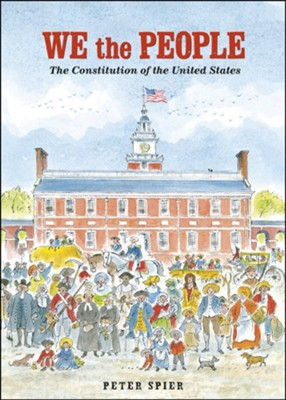
In this visual celebration of America’s founding, Caldecott Medalist Peter Spier tells the stirring tale of how the U.S. Constitution came to symbolize freedom, justice, equality, and hope for all citizens. Along with the fascinating history of the struggle to draft and ratify the Constitution, you will enjoy an illuminated version of the preamble to the Constitution, information on each of the men who ratified it, and portrayals of the document’s significance from colonial times up through the modern day.
Dear Benjamin Banneker by Andrea Davis Pinkney
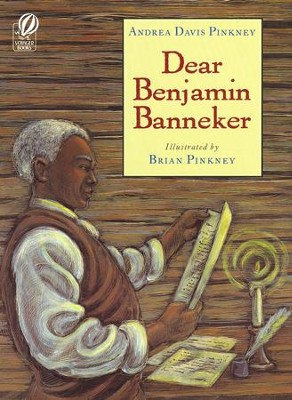
Benjamin Banneker was born free at a time when most African-Americans were still enslaved. Throughout his life it troubled him that not all people enjoyed the same freedoms. An accomplished astronomer and mathematician, Benjamin Banneker decided to take a stand against slavery. He wrote to then-Secretary of State Thomas Jefferson and told him exactly what he thought of Jefferson’s hypocrisy, that the same man who wrote “all men are created equal” held other humans in bondage. The book chronicles the correspondence that followed, highlighting Banneker’s eloquence and perseverance.
The Fourth of July Story by Alice Dalgliesh
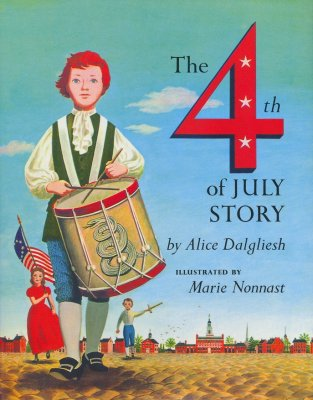
Long before there were fireworks, parades, and barbecues, the Fourth of July had a special place in our nation. Alice Dalgliesh takes young readers back to revolutionary times to understand the true meaning of this important holiday, recounting how word of America’s independence traveled up and down the thirteen colonies, touching the lives of everyday people throughout the land. Vivid pictures capture the stirring moments when the Declaration was first signed, when men and women patriots first read for themselves the words of hastily-printed copies pulled from messengers’ saddlebags, when a minister first utters the words, “God bless the United States of America,” and more.
The Star-Spangled Banner by Francis Scott Key, illustrated by Peter Spier
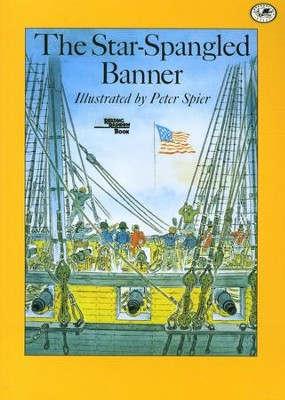
Caldecott Medalist Peter Spier’s magnificent tribute to our national anthem takes readers from the Star Spangled Banner’s turbulent origins during the War of 1812 at the Battle of Baltimore through the flag’s significance in modern day America. Filled with historical images and beautiful illustrations, this book is a wonderful way to introduce children to an important piece of our nation’s history.
Thy Friend, Obadiah by Brinton Turkle
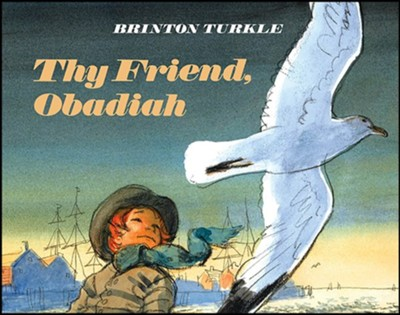
Set in colonial Nantucket, this charming story depicts a young Quaker boy named Obadiah as he is followed around town by a seagull. From the candle maker’s shop to the wharf and back home, the seagull is always there. He even posts himself outside Obadiah’s bedroom window at night. Obadiah is irritated by the seagull’s presence until one bitterly cold day when Obadiah needs a friend and the seagull is nowhere to be found. Obadiah discovers that making a new friend is a valuable thing. This 1970 Caldecott Honor Book gives a heart-warming picture of life in the American colonies. You might also enjoy these other Obadiah stories: Obadiah the Bold and Rachel and Obadiah.
Ox-Cart Man by Donald Hall
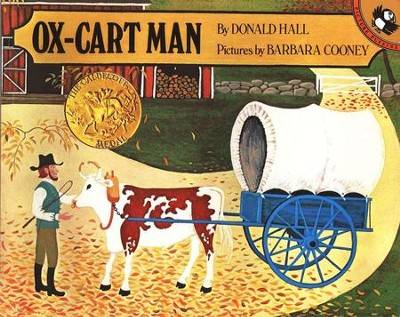
In October the farmer carefully packs his ox cart with all the goods his family made and grew that year from the bag of wool he sheared from the sheep in April to the birch brooms his son carved to the bag of goose feathers the children collected from the barnyard geese. He journeys to town to sell each item at Portsmouth Market, only to return home to begin the process all over again. This 1980 Caldecott Medal Winner beautifully depicts a family working together to provide for one another and make the most of every resource available to them.
Tree in the Trail by Holling Clancy Holling
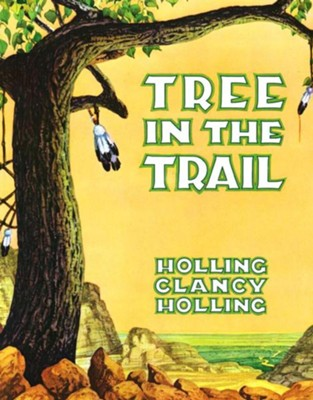
Told through the life of a single cottonwood tree, this beautifully illustrated story captures two hundred years of Great Plains history and the events surrounding the Santa Fe Trail. From a lone sapling sheltering a young boy and a brave buffalo, to a peace-medicine tree for passing Native American tribes, the tree stands as a silent witness to a changing landscape. After its death, the tree takes on new life as an ox yoke, guiding pioneers, traders, and soldiers westward into the American frontier.
Apples to Oregon by Deborah Hopkinson
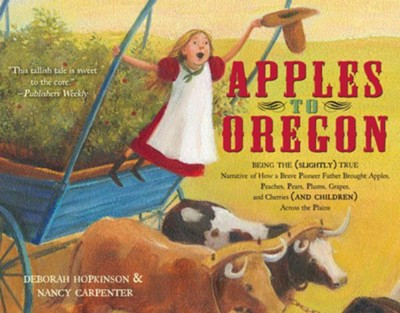
When Papa decides to pull up roots and move from Iowa to Oregon, he can’t bear to leave his precious apple trees behind. Or his peaches, plums, grapes, cherries, and pears. Of course, he takes his family along too. The trail is cruel. River crossings, hailstones, and drought threaten to kill his beloved fruit trees. Luckily Delicious (the nonedible apple of Daddy’s eye) is strong, as youngsters raised on apples are, and won’t let anything stop her father’s darlings from making it all the way to Oregon. This hilarious tall tale is loosely based on the life of a real fruiting pioneer.
Moses by Carole Boston Weatherford
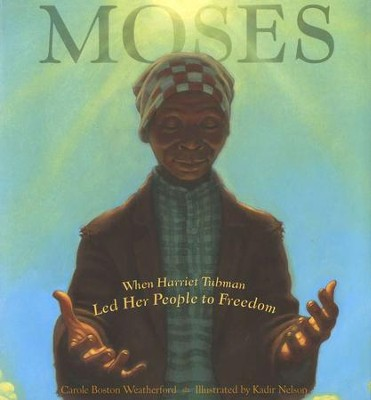
Evocative and rich in both tone and style, this beautifully illustrated book follows Harriet Tubman on her first trip to freedom as she escapes north on the Underground Railroad. The lyrical text points not only to Tubman’s physical journey to freedom, but her spiritual journey as well as she draws upon God for comfort, provision, and help to guide her along each step of the way.
Abraham Lincoln by Ingri and Edgar Parin D’Aulaire
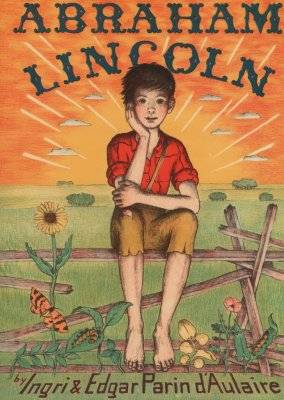
Another modern-day classic from the D’Aulaires, this one celebrates the life of Abraham Lincoln with powerful storytelling and breathtaking color illustrations. This picture book biography follows Honest Abe from his youth in the wilderness of Kentucky, Indiana and Illinois, to his days practicing law, running for office, and eventually becoming president of the United States and leading his country through the Civil War.
Sweet Clara and the Freedom Quilt by Deborah Hopkinson
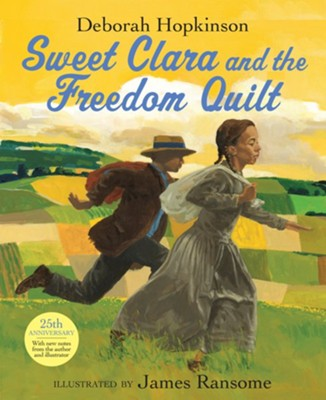
This inspiring story of courage and determination follows Clara, a slave and seamstress who dreams of freedom—not just for herself, but for her family and friends. When she overhears a conversation about the Underground Railroad, she has a flash of inspiration. Using scraps of cloth from her work in the Big House and scraps of information gathered from other slaves, she fashions a map that the master would never even recognize. Though a work of historical fiction, this picture book paints a compelling picture of life on the underground railroad.
The Story of the Statue of Liberty by Betsy and Guilio Maestro
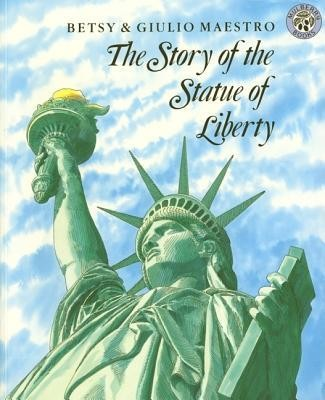
Since she was erected in New York Harbor in 1886, the Statue of Liberty has welcomed millions of immigrants to the New World, but the story really begins 15 years earlier, when the French sculptor Frédéric Bartholdi visited New York to plan the statue he would later present to the American people as a gift from France. With exceptional illustrations and captivating storytelling, this patriotic picture book will help your children appreciate the significance of the Statue of Liberty like never before.
The Camping Trip that Changed America by Barb Rosenstock
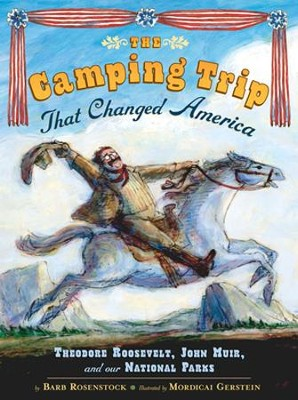
Learn how America’s National Park system was created in this sweet and engaging picture book from Caldecott medalist, Mordicai Gerstein. In 1903, President Theodore Roosevelt joined naturalist John Muir on a trip to Yosemite. Camping by themselves in the uncharted forest among the majestic redwoods, these two men of vastly different backgrounds bonded over their shared love of the outdoors. Together they began to dream about what it might look like to protect our country’s natural beauty and preserve it for generations to come. Out of those conversations our National Parks were born.
Minn of the Mississippi by Holling Clancy Holling
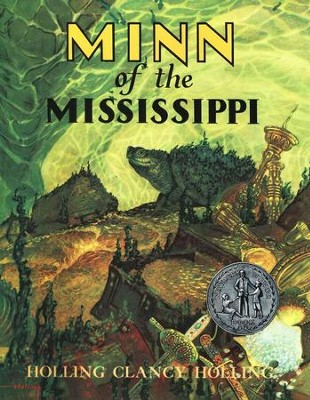
With Holling Clancy Holling’s trademark hand painted illustrations and encyclopedic sidebar details, this endearing picture book tells the story of the Mississippi River Valley through the life of a snapping turtle named Minn. Hatched at the source of the great Mississippi, Minn has many adventures as she makes her way down the river, through the heart of America, to the Gulf of Mexico. Geography and natural history spring vividly to life as Minn meets the many diverse people and creatures that live along the mighty river.
That Is My Dream! by Langston Hughes
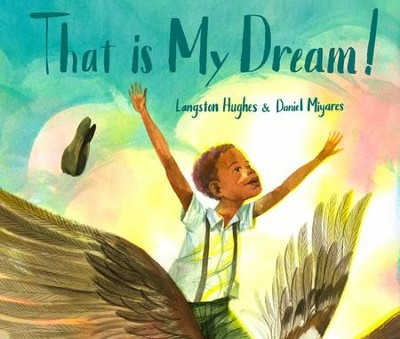
This tenderly illustrated picture book takes one of Langston Hughes’ most celebrated poems and brings it to life in a new way. Readers will journey with an African-American boy through the course of his day as the harsh realities of segregation and racial prejudice come into vivid focus. In the face of these injustices, the boy dreams of a different life, one full of freedom, hope, and wild possibility, where he can fling his arms wide in the face of the sun.
Paddle-to-the-Sea by Holling Clancy Holling
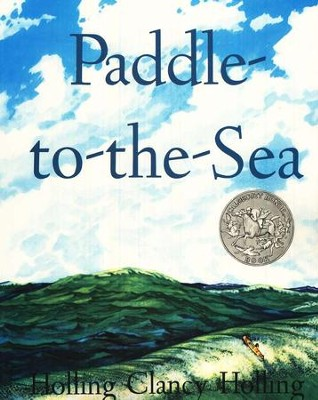
Another classic from Holling Clancy Holling, this book showcases the geography and natural history of the Great Lakes region. The story begins when a young boy carves the figure of an Indian in a canoe, christening him Paddle-to-the-Sea setting him on a spring snow bank. As the snow melts, Paddle tumbles into a mountain stream, beginning a journey that took him hundreds of miles from home as he floats through the Great Lakes, down the Saint Lawrence River, and over Niagara Falls. Buffeted by winds and currents and helped on his way by human hands, Paddle at last reaches the Atlantic and earns the right to be called a true Paddle-to-the-Sea.
Martin’s Big Words: The Life of Dr. Martin Luther King, Jr. by Doreen Rappaport
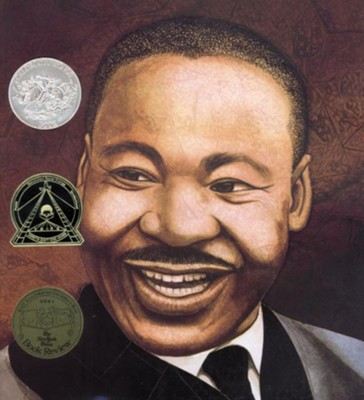
This exceptional picture book biography of Dr. Martin Luther King Jr. weaves together Bryan Collier’s stunning collage art with quotes taken directly from King’s beloved speeches. Revered as one of our country’s most gifted orators, King’s own words bring his story and mission to life in a powerful way. A timeline and a list of additional books and websites help make this a standout biography of Dr. King.
When I Was Young in the Mountains by Cynthia Rylant
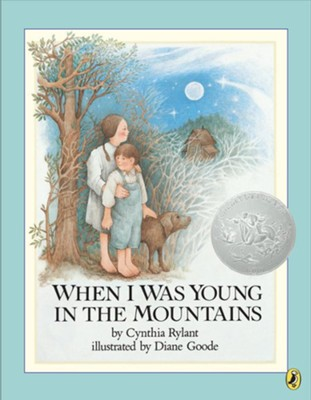
A Caldecott Honor winner, When I Was Young in the Mountains depicts the simple country life of a family living in rural Appalachia. The family may not be blessed with material wealth, but they are rich in love and togetherness. As they pump water for baths and heat it in a metal tub, eat simple, sustaining meals of beans, cornbread, and fried okra, splash in the swimming hole, and rock on the porch swing, the family embraces contentment. Mountain life may not have been easy, but it was “always enough.”
The Wall by Eve Bunting
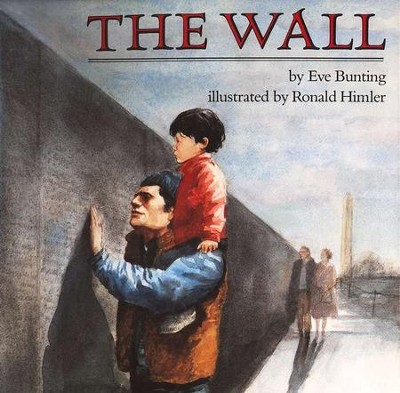
A little boy and his father visit the Vietnam Veterans Memorial in Washington, D.C. to find the name of the boy’s grandfather in this touching remembrance of the Vietnam War. Without touching on the atrocities of the war in graphic detail, the book thoughtfully reflects on the lasting impact of the conflict. A tender tribute to those who have paid the ultimate sacrifice for their country, this is the perfect book to help you and your children think about war and its consequences.
Chapter Books
Poor Richard by James Daugherty
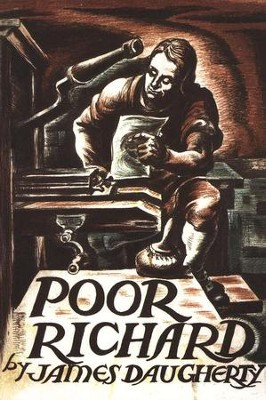
From his Quaker childhood to his early days as printer’s apprentice, a runaway stranger in the City of Brotherly Love, and an indispensable American ambassador to England and France during the American Revolution, Ben Franklin shaped America’s political identity in countless ways. This winsome biography illustrated with lithograph artwork shows Ben Franklin, not only as a politician, but also as a scientist, inventor, and prolific author. In everything he did, Franklin was compelled by a boundless curiosity and a desire to serve his fellow man.
Amos Fortune: Free Man by Elizabeth Yates
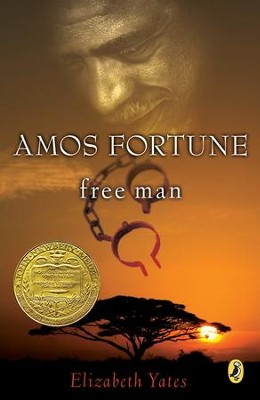
Based on the true story of Amos Fortune of Jaffrey, New Hampshire, Amos was born At-mun, son of an African king. In 1725, when he was 15 years old, he was captured by slave traders, brought to America, and sold at auction. For 45 years, Amos worked as a slave under two masters to buy his own freedom. Free at age 60, Amos eventually moved to Jaffrey, where he started his own tannery, became a full member of the local church, and died a free and prosperous man at the age of 91. This inspiring story of an enslaved man’s tenacious pursuit of freedom and his unwavering commitment to God won the 1951 Newbery medal.
Abigail Adams: Witness to a Revolution by Natalie S. Bober
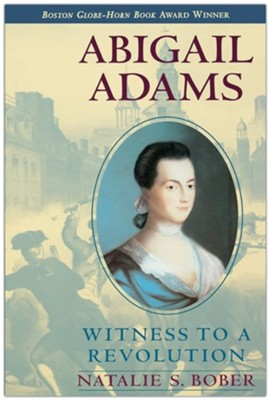
Abigail Adams remained mostly at home while her husband, John, and later her son, John Quincy, traveled far and wide, often for months at a time, working to craft and defend our new nation. With the battles of the American Revolution unfolding just outside her doorstep, Abigail did not shrink back in fear or begrudge her husband’s long absences. Instead, she used her remarkable intellect and keen observations to draft letter after letter to family and friends. Her firsthand reports on the state of the nation and the needs of its citizens shaped the birth of our republic in powerful ways.
Carry On, Mr. Bowditch by Jean Latham
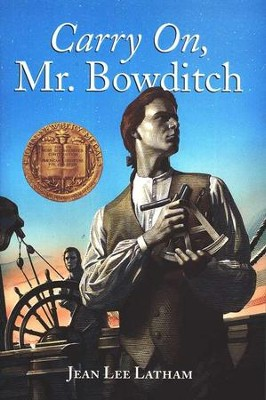
Nathaniel Bowditch grew up in 18th century Salem, Massachusetts, a global powerhouse of international commerce whose wharves bustled with imported spices, tea, and silks. Nat’s slight frame seemed to disqualify him from a life at sea, but his relentless drive to educate himself was unmatched. Through countless hours of study and observation, Nathaniel revolutionized navigation, largely eliminating guesswork and correcting generations of errors to standardize the field in his ground-breaking book, The American Practical Navigator. This fictionalized biography celebrates resilience, determination, and the power of self-education.
Of Courage Undaunted by James Daugherty
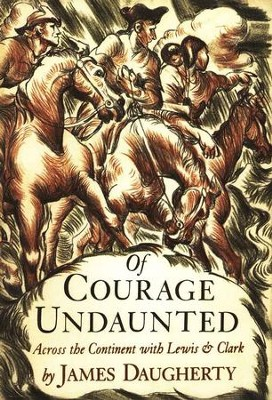
First written in 1951, this action-packed adventure story has delighted children for generations with its rich narrative and gripping charcoal illustrations. You will witness the incredible hardships and riveting discoveries of the Lewis and Clark expedition as this brave band of explorers treks ever deeper into the American West, blazing a trail for the many settlers who came after them.
Meet Abraham Lincoln by Barbara Cary
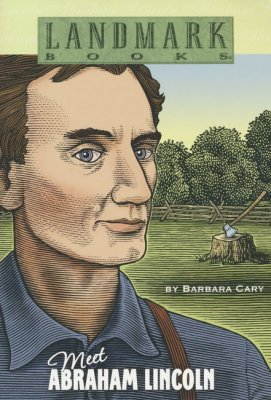
This warmly told biography of our sixteenth president is perfect for early readers. With simple text, Barbara Cary explains how when Abraham Lincoln was born, slavery was an everyday part of life for many Americans. Even so, Abe didn’t like it. As he grew older, he worked to aid his countrymen regardless of their color. As a surveyor, Abe helped people inspect their land. As a lawyer, he made sure people were treated fairly in court. But he wanted to do even more. After years of hard work, he became president of the United States and ended slavery forever.
Across Five Aprils by Irene Hunt
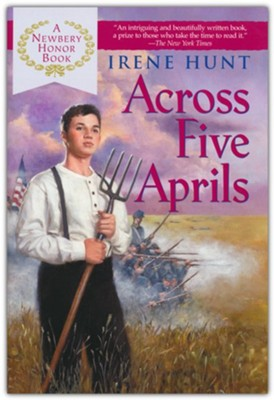
An unforgettable story of a family torn apart by the American Civil War, this Newbery Award-winning work of historical fiction is a must-read. Drawn from family records and stories told by her own grandfather, Irene Hunt weaves a moving story of nine-year-old Jethro who lives in southern Illinois and watches in horror as his favorite brother, Bill, joins the Confederate cause while three other brothers enlist to fight for the North. Jethro quickly leaves his carefree childhood behind to grapple with serious moral issues. Do the bonds of family transcend political differences? What does it mean to love those whose convictions we find morally reprehensible? Can a family and a country be made whole again?
Rifles for Watie by Harold Keith
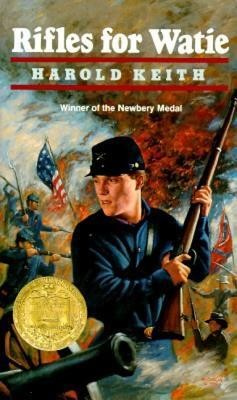
Another classic work of carefully researched historical fiction and winner of the Newbery Medal, readers experience the Civil War through the eyes of sixteen-year-old Jefferson Davis Bussey, who inadvertently ends up fighting on both sides of the conflict. After enlisting as an infantryman in the Union army, Jeff is sent behind enemy lines as a scout. There he becomes embedded in a Confederate cavalry unit, fighting alongside the rebels until he is able to make a desperate escape back to the Union side. Jeff is surprised to witness kindness and goodness among the Confederate soldiers whom he has been taught to view as evil, while at the same time discovering that his own side has their fair share of cruelty and corruption. Through these harrowing events, Jeff learns to judge his fellow men, not by the color of their uniforms, but by their individual choices.
Little House on the Prairie by Laura Ingalls Wilder
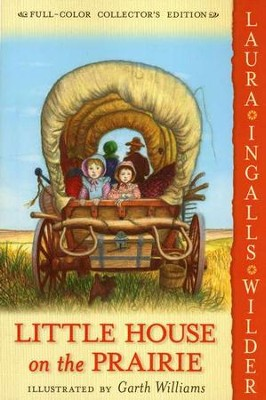
Each of the books in the Little House series gives its own unique window into life on the American frontier from the log house in the forests of Wisconsin in Little House in the Big Woods to the unsettled Dakota Territory in By the Shores of Silver Lake. Little House on the Prairie stands out for its portrayal of a family traversing the country in a covered wagon. As they leave their cozy log cabin behind to set out for Kansas, the family travels for many days until they find the best spot to build their new prairie home. Before long, they are planting and plowing, hunting wild ducks and turkeys, and gathering grass for their cows. Frontier life is often difficult, but Laura and her folks are busy and content in their new little house on the prairie.
Old Yeller by Fred Gipson
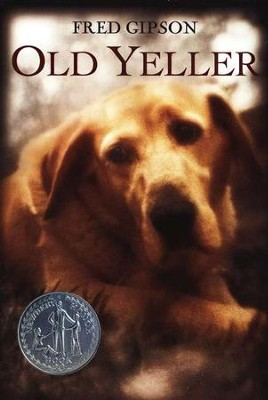
Pa, Ma, Travis and Arliss live on Birdsong Creek in the Texas hill country. It isn’t an easy life, but they have a snug cabin that Pa built himself. The only thing they lack is cash, so the men decide to get together and drive all the cattle up to the new market in Abilene, Kansas, more than six hundred miles away. Fourteen-year-old Travis is left as the man of the family. When a big, ugly, yellow dog shows up out of nowhere one night and steals a whole side of hanging pork, Travis is ready to drive him off or kill him, but Arliss protests. Keeping Yeller around turns about to be vital to the family’s survival when he rescues little Arliss from being mauled by a bear and saves Ma from being attacked by a sick wolf. When a heartbroken Travis must shoot Yeller to protect the family from rabies, he learns how deep his love for the dog truly is.
The Call of the Wild by Jack London
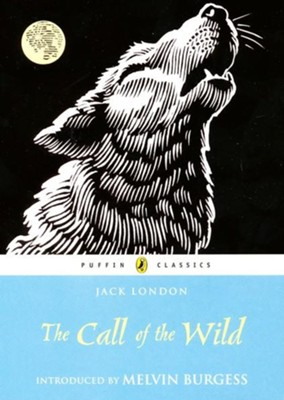
Life is good for Buck in Santa Clara Valley, where he spends his days eating and sleeping in the golden sunshine. When a treacherous act of betrayal leads to his kidnap, Buck is forced into a life of violence and danger. Dragged away to be a sled dog in the harsh and freezing-cold Yukon, Buck must fight for his survival. As you journey alongside Buck, you’ll experience the frenzy of the Klondike gold rush, the harsh realities of wilderness life, and the pitfalls of unbridled greed.
American Tall Tales by Adrien Stoutenberg
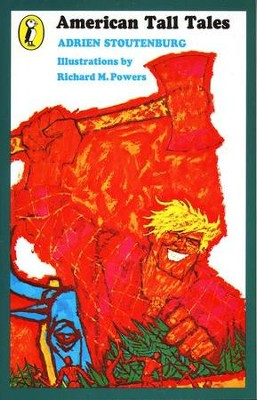
Immerse yourself in the classic tale tales that have shaped American culture for generations. From the axe-wielding Paul Bunyan, to the peaceful planter Johnny Appleseed, to the frontier fighter Davy Crockett, this collection of eight short stories depicts America as a vast wilderness waiting to be tamed by industrious men who overcome obstacles in larger-than-life ways. Adrien Stoutenberg’s poetic retellings highlight the perseverance and ingenuity it took to thrive on the American frontier.
Little Britches by Ralph Moody
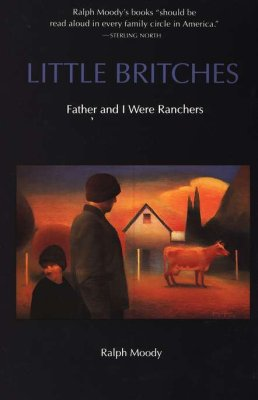
Ralph Moody is just eight years old in 1906 when his family moves from New Hampshire to Colorado to find a healthier climate for Father who is suffering from a terrible lung condition after years spent working in a mill. Relatives have enticed the family westward with the promise of a simple, idyllic life where they can easily prosper as ranchers. When they arrive in Colorado, having sold all their possessions, they discover that the ranch they purchased is mostly barren land. With only a few dilapidated buildings, poor soil, and no reliable water source, making a living will be nearly impossible. If the family does not band together, they will soon starve. Father’s rock solid integrity shines throughout the story as the family refuses to give up, working together to make a living and carve a successful ranch out of the barren wasteland they were handed.
All-of-a-Kind Family by Sydney Taylor
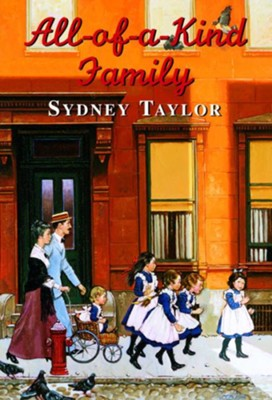
This charming book, perfect for reading aloud, portrays a Jewish family growing up in Manhattan’s Lower East Side in 1912. Sisters Ella, Henny, Sarah, Charlotte, and Gertie share adventures like searching for hidden buttons while dusting Mama’s front parlor, pooling their pennies to buy candy, and visiting with the peddlers in Papa’s shop on rainy days. Having emigrated from Eastern Europe, they adopt American traditions like celebrating the Fourth of July while holding fast to their Jewish faith and practices like celebrating Purim and Passover. Together the family cheerfully makes do with limited resources and takes delight in life’s simple pleasures.
Miracles on Maple Hill by Virginia Sorensen
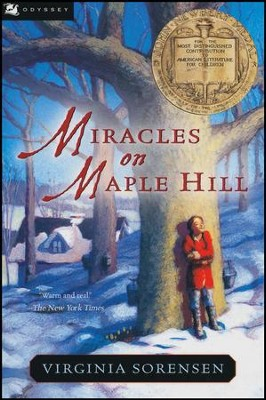
Marly and her family move to the country so her father can start recovering from his time spent as a prisoner of war during World War II. As Marly and her family learn about country life from their friendly neighbors, Mr. and Mrs. Chris, they begin adjusting to a slower pace of life and finding happiness. When Mr. Chris suffers a heart attack during sugaring time, Marly’s family helps to repay the kindness shown them by pitching in to keep the fires going, keep the sap moving, and bring in that year’s harvest of maple syrup.
Roll of Thunder, Hear My Cry by Mildred D. Taylor
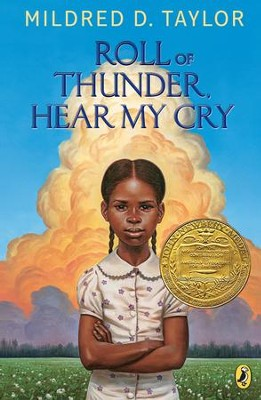
This monumental work of historical fiction drawn from Mildred D. Taylor’s own family’s experience of the Jim Crow South stands as an important record of our country’s complicated and not-so-distant past. Growing up, Cassie knows that having land of their own means that nothing can tear her family apart. But holding onto their family land in 1930s Mississippi is no easy feat. When the Logan family organizes a boycott of a racist local store, they find themselves the targets of night riders who terrorize the family. , breaking Papa’s leg, forcing Mama out of her job, and pressuring the bank to foreclose on a loan to the family. When a friend is framed for murder and about to be lynched, Papa sets fire to his own land to interrupt the lynch mob as everyone must band together to put out the flames. This book brings home in powerful ways what it was like for Black Americans to live under systemic oppression and violence.

Books for High Schoolers
The Federalist Papers by Alexander Hamilton, James Madison, and John Jay
This series of essays originally published in New York newspapers sought to persuade the American public to ratify the newly drafted Constitution. Hamilton, Madison, and Jay argued in favor of a strong federal government protected with a robust system of checks and balances to guard against tyranny, factions, and meddling by foreign actors.
The Scarlet Letter by Nathaniel Hawthorne
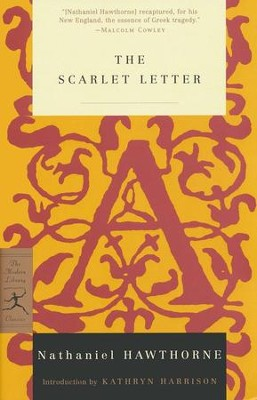
This foundational work of American literature gives readers a window into life in Puritan New England through the eyes of the unforgettable Hester Prynne, who is forced to wear a red A to publicly shame her for committing adultery. The novel wrestles with several ideas central to the American experiment: Does the state have the authority to limit individual liberty in order to enforce the moral code of a particular religious group? Should the founders of the Massachusetts Bay Colony be celebrated for their zeal for Christ, or do their strict moral codes breed hypocrisy and fear, rewarding conformity over sincere faith? Wrestling with these questions through the lens of The Scarlet Letter is a worthwhile endeavor for teens and adults alike.
George Washington’s Secret Six by Brian Kilmeade and Don Yaeger
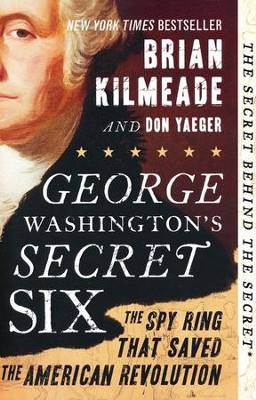
When George Washington beat a hasty retreat from New York City in August 1776, many thought the American Revolution might soon be over. Instead, Washington rallied, thanks in large part to a little-known, top-secret group called the Culper Spy Ring. Realizing that he couldn’t defeat the British with military might, Washington recruited a sophisticated and deeply secretive intelligence network to infiltrate New York. This book contains fascinating portraits of the spies: a reserved Quaker merchant, a tavern keeper, a brash young longshoreman, a curmudgeonly Long Island bachelor, a coffeehouse owner, and a mysterious woman. Long unrecognized, the secret six are finally receiving their due among the pantheon of American heroes.
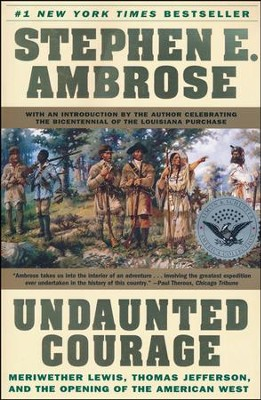
Undaunted Courage: Meriwether Lewis, Thomas Jefferson, and the Opening of the American West by Stephen Ambrose
Narrative of the Life of Frederick Douglass
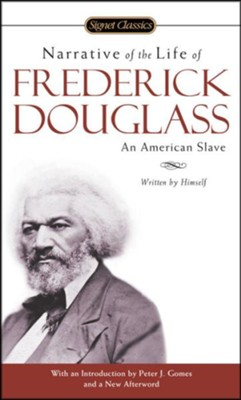
Born into slavery, Frederick Douglass learned the alphabet and basic spelling from his master’s wife before her husband stopped their lessons, but Douglass’ drive to learn could not be stopped. He continued to teach himself in secret, reading voraciously and eventually writing one of the most eloquent accounts of life as a slave that has ever been recorded. Douglass’ captivating retelling demonstrates the brutality of slavery and the psychological toll it took on captors and the enslaved alike. At the same time, Douglass celebrates the power of self-education and the ways in which literacy set him free, free from the physical bonds of slavery and free from the mental and spiritual effects of bondage.
Uncle Tom’s Cabin by Harriet Beecher Stowe
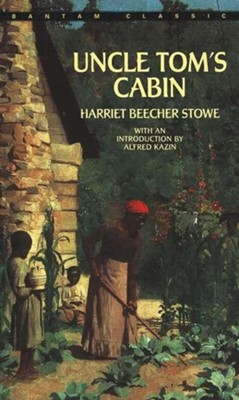
More than any other piece of writing, this heart-wrenching tale of the atrocities of slavery mobilized a nation, galvanizing abolitionists throughout the country while at the same time further entrenching many southerners in their defense of slavery. Its humanizing portrayals of Uncle Sam, Sambo, and little Eva provide a window into the complicated realities of the American south. The terror of being sold down the river, the cruel breakup of enslaved families, and the brutality of life on a Southern plantation are all brought to life in vivid ways through Harriet Beecher Stowe’s masterpiece.
O Pioneers! by Willa Cather
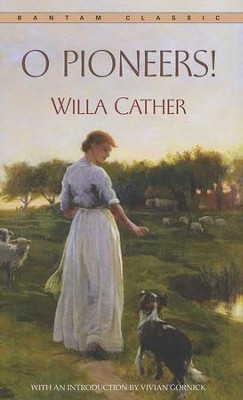
When Alexandra Berson’s father dies, this strong-willed young Swedish immigrant, fights to transform this raw plot of prairie land into a thriving farm. Alexandra perseveres through harsh conditions, back-breaking labor, and isolation to eventually cultivate the most prosperous farm in the region. Willa Cather’s vivid descriptions make the land itself one of the story’s main characters and offer an inspiring picture of the frontier experience.
The Wright Brothers by David McCullough
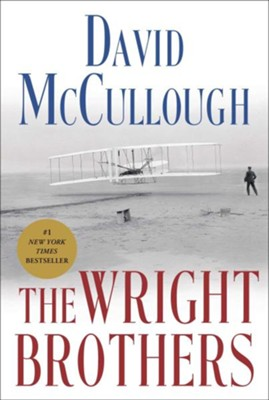
Orville and Wilbur Wright did not have many luxuries growing up, but they were surrounded by books and encouraged by their preacher father to never stop learning and questioning. Despite opposition and ridicule, the Wright Brothers worked relentlessly on their invention. Through rigorous experimentation and voracious reading, these self-taught scientists accomplished what many believed to be impossible. McCullough describes how even after the Wright Brothers achieved flight at Kitty Hawk, they were hounded by naysayers in the press and the U.S. military. They had no wealthy financial backers, no college degrees, no powerful supporters, and yet they persevered, exemplifying the ingenuity and self-reliance of the American spirit.
The Story of My Life by Helen Keller
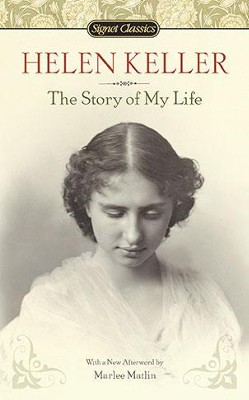
First published when Helen was a young woman studying at Radcliffe College, this autobiography describes in her own words Helen’s struggle to navigate a world gone cold, dark, and silent through her childhood deafness and blindness. Helen describes the breakthrough moment at the water pump when her faithful teacher, Annie Sullivan, spelled the word ‘water’ into her hand and finally Helen was able to grasp the relationship between the sign and the world around her. This epiphany unlocked for Helen a whole new world of meaning and purpose, awakening in her an insatiable appetite for learning and language. Her story of resilience transformed how society viewed disability and gave Helen a platform from which to advocate for the rights of women, children, and people with disabilities.
The Great Gatsby by F. Scott Fitzgerald
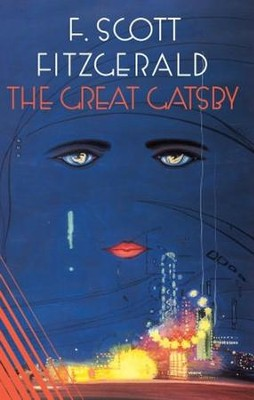
This haunting story of the American Dream gone wrong highlights the depravity of unbridled greed. Told through the eyes of Nick Carraway, neighbor to the insanely wealthy Jay Gatsby, Nick has a front-row seat to Gatsby’s attempts to win back his former lover, Daisy. Gatsby purchases a grand mansion just across the bay from Daisy’s home where he hosts lavish parties and bombards Daisy with ostentatious displays of his wealth, but his strivings all come to nothing. The Great Gatsby drives home the message that money cannot buy happiness, and even a hardworking, self-made millionaire may find life empty, meaningless, and lonely.
To Kill a Mockingbird by Harper Lee
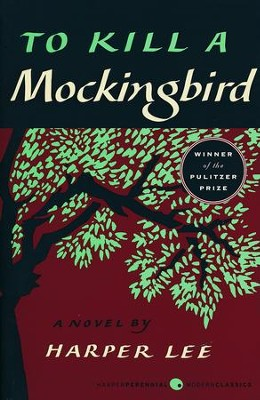
This Pulitzer Prize-winning tale set in the Deep South depicts a small town lawyer determined to stand up to prejudice and injustice. When a black man is accused of a terrible crime, though the evidence clearly points elsewhere, Atticus Finch fights against all odds to see that justice is done. Told through the eyes of Atticus’ young daughter, this coming-of-age story shows what it looks like to walk with integrity even at great personal cost.
American History Homeschool Curriculum
Looking for a more comprehensive curriculum to guide your study of American history? Here are a few of our top recommendations!
Notgrass History
Notgrass offers engaging history courses rooted in a Biblical worldview. With an open-and-go format that is easy on parents, lessons incorporate full-color photographs, primary source documents, maps, and timeline activities.
- Our 50 States for Grades 1-4
- Our Star Spangled Story for Grades 1-4
- America the Beautiful for Grades 5-8
- Uncle Sam and You for Grades 5-8
Master Books
Master Books teaches history from a Christian perspective. Courses teach students to analyze the worldview of the people they encounter in history and evaluate their choices in light of Scripture.
- America’s Story for Grades 3-6
- The Fight for Freedom for Grades 4-6
- Meet the Chief: A Fun Look at the U.S. Presidents for Grade 3 and up
- For You They Signed for Grades 7-9
- American History by James Stobaugh for Grades 9-12
Which resources have you found most helpful in studying American history in your homeschool? Do you have any favorite living books that we’ve left off our list? We would love to hear what you recommend!
This post contains affiliate links. Thank you for supporting the Homeschool Compass by shopping through our page!